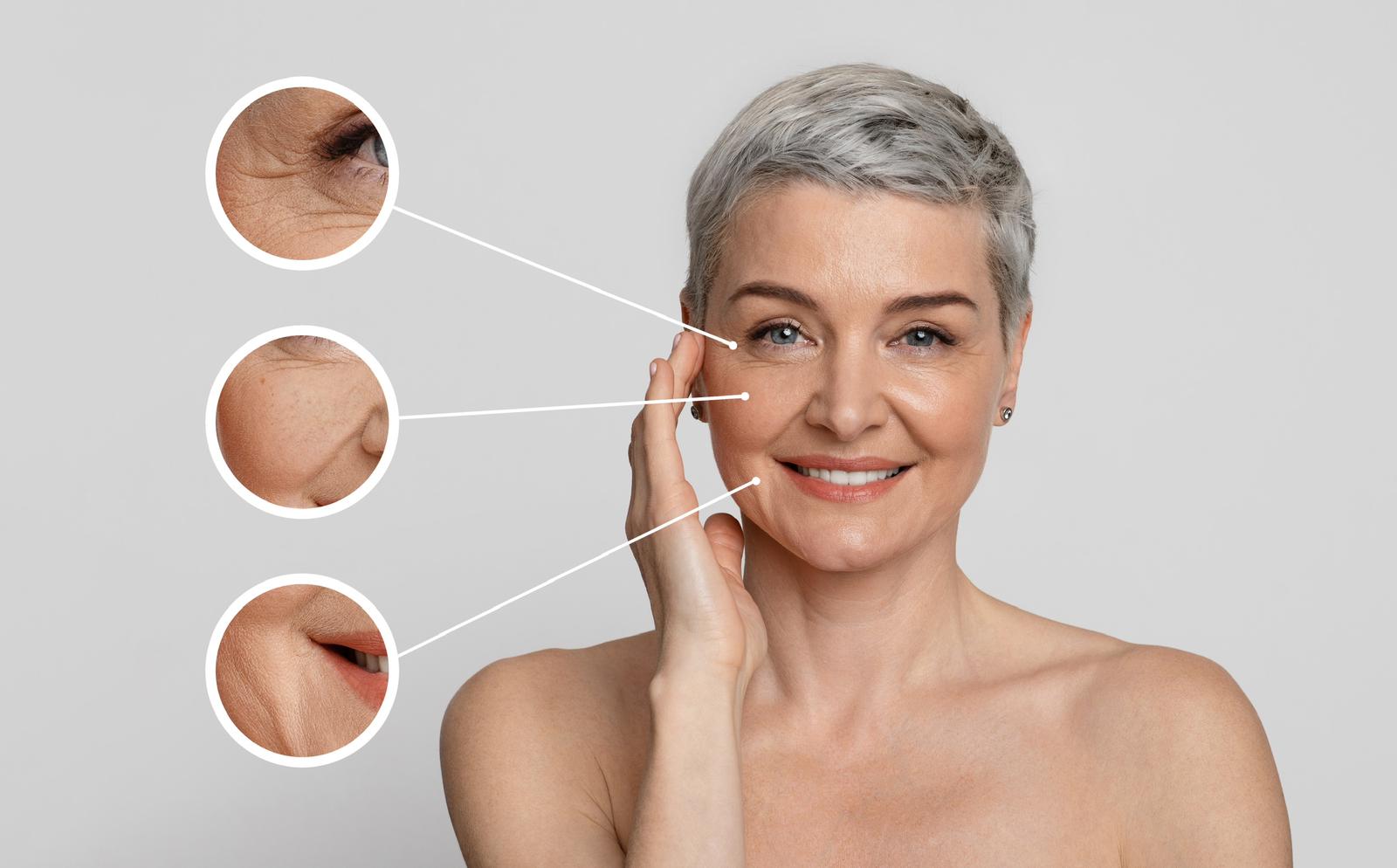
In the realm of aesthetic beauty, the terms “toxin” and “filler” often surface, especially in conversations surrounding anti-aging treatments and facial rejuvenation. While they might seem similar to the untrained ear, they are fundamentally different in their composition, mechanisms of action, and the results they achieve.
Toxin in Aesthetic Beauty: The most famous toxin used in aesthetic beauty is Botulinum toxin, commonly known by its brand names like Botox, Dysport, and Xeomin. This substance is a neurotoxin produced by the bacterium Clostridium botulinum.
- Mechanism of Action: Botulinum toxin works by temporarily paralyzing muscles. When injected into facial muscles, it blocks nerve signals that cause muscle contraction. This relaxation of muscles smooths out wrinkles and fine lines that are caused by expressions like frowning, squinting, or smiling.
- Uses: It’s primarily used to treat dynamic wrinkles which are lines that appear due to facial movement. Common areas of use include the forehead, around the eyes (crow’s feet), and between the eyebrows.
- Duration and Effects: The effects of botulinum toxin injections typically last between 3 to 6 months. Regular treatments are necessary for maintaining the smooth appearance as muscle action gradually returns.
Filler in Aesthetic Beauty: Fillers, on the other hand, are substances designed to be injected beneath the skin to add volume and fullness. The most common type of filler is hyaluronic acid, but other substances like calcium hydroxylapatite, poly-L-lactic acid, and polymethylmethacrylate beads are also used.
- Mechanism of Action: Unlike toxins, fillers do not affect muscle contraction. They work by literally filling in areas that have lost volume or smoothness. This can be due to aging, weight loss, or other factors.
- Uses: Fillers are versatile and can be used to plump thin lips, enhance shallow contours, soften facial creases, remove wrinkles, and improve the appearance of recessed scars. They are also used in non-surgical nose jobs and chin enhancements.
- Duration and Effects: The effects of fillers can last anywhere from 6 months to several years, depending on the type of filler used. Unlike toxins, they offer immediate results.
Conclusion: In summary, while both toxins and fillers are injectables used in aesthetic beauty treatments, their uses and mechanisms are distinct. Toxins like Botox are best for treating dynamic wrinkles caused by muscle movement, whereas fillers are used to add volume and smooth out static wrinkles caused by loss of collagen or fat. Choosing between them depends on the specific cosmetic concerns and desired outcomes. As with any cosmetic procedure, it’s essential to consult with a qualified and experienced practitioner to determine the best treatment plan.